

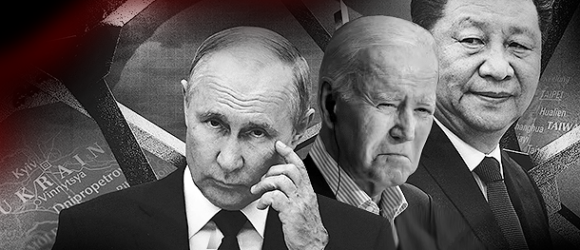
David Woo | Biden or Trump: who will bring us closer to Armageddon?
21WIRE CHINA FILES
Learn about what's on the move in China...
INTERVIEW: Freddie Ponton – ‘Africa: A Senegal Coup?’
February 9, 2024 By Leave a Comment
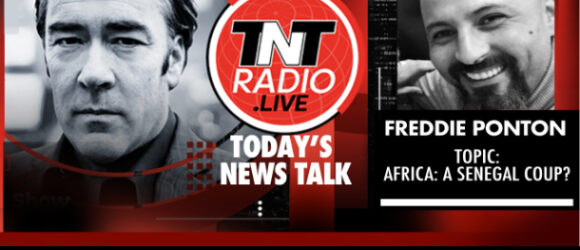
TNT Radio | Senegal: Institutional coup or electoral imperialism?
INTERVIEW: Ryan Christian – Russia’s Win in ICJ + Questions Over ‘Uyghur Genocide’ Claims
February 5, 2024 By Leave a Comment
TNT Radio | Competing claims of genocide are dominating the discourse, but which ones are legitimate?
‘Russia, China, Iran!’ – UK Police Set Up New ‘Counter-Espionage’ Unit
January 23, 2024 By Leave a Comment

21WIRE | UK authorities claim that domestic threats from Russia and China are now ‘greater than during the Cold War’, and that domestic spying needs to be ramped-up.
‘The Era of Western Economic Dominance is Over’
November 15, 2023 By Leave a Comment
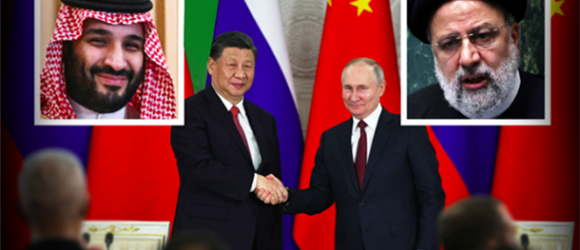
21WIRE | Eurasian leaders cite the US abuse of the dollar with sanctions as main driver of the new global financial playing field.
Reversal of Fortune: BRICS Countries Imports Record Amount of Russian Oil
November 13, 2023 By Leave a Comment

21WIRE | The West’s plans to destroy the Russian economy have actually backfired.
Henningsen: ‘Uncle Sam’s WWIII Start-Up Capital’
November 11, 2023 By Leave a Comment

TNT Radio | Is Washington actually financing the beginnings of WWIII?
‘BRICS Nations Will Blunt Western Dominance’
August 25, 2023 By Leave a Comment
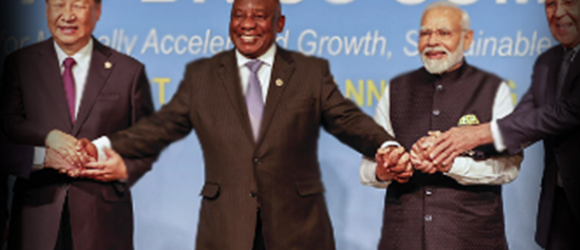
21WIRE | BRICS are growing, which means more of the world will be moving to de-dollarize.
China Has Replaced US as Gulf Oil Monarchies’ Main Economic Partner
July 19, 2023 By Leave a Comment
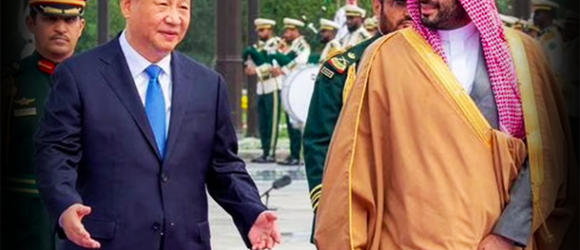
21WIRE | With China the dominant economic buyer in the Middle East – the world’s power structure will begin to shift even more.
Glenn Diesen: Multipolarism vs The ‘Rules Based’ International Order
July 11, 2023 By Leave a Comment
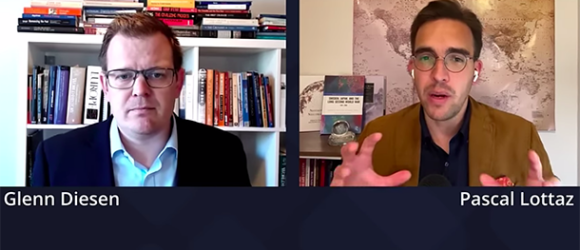
Neutrality Studies | What will become of the EU, NATO and the post-WWII world order?
REVEALED: Global System of Digital Identification ‘For All’ Connected to Our Bank Accounts
June 26, 2023 By Leave a Comment

21WIRE | Incredibly, most people still do not understand the full implications of this new system of control.
Biden Calls Xi a ‘Dictator’, Prompting China to Summon US Ambassador in Beijing
June 23, 2023 By Leave a Comment
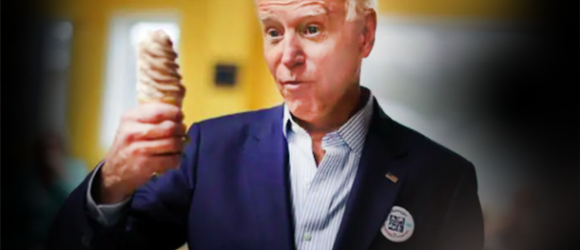
Zero Hedge | It’s now clear that an increasingly senile Biden is a serious threat to global stability.
Can China Rebuff NATO’s Courtship of Japan?
May 8, 2023 By Leave a Comment
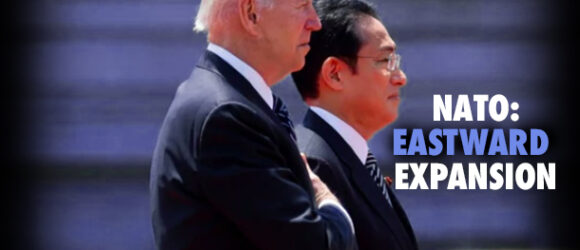
Timur Fomenko | As the Western military bloc opens its first office in Japan, what will China do next?
IMF Reveals Grim Warning for Global Economy
May 7, 2023 By Leave a Comment

RT International | ‘After decades of increasing global integration, there is a growing risk that the world may split into rival economic blocs.’
INTERVIEW: Dr. Ahmad Malik – Fear Drove Covid Lockdowns and Vaccine Debacle
May 4, 2023 By Leave a Comment

TNT Radio | During the Covid hysteria, we’ve lost nearly all of our basic principles of medical ethics.
INTERVIEW: Dr Can Erimtan – Ukraine & Brzezinksi’s Grand Chessboard Explained
April 30, 2023 By Leave a Comment
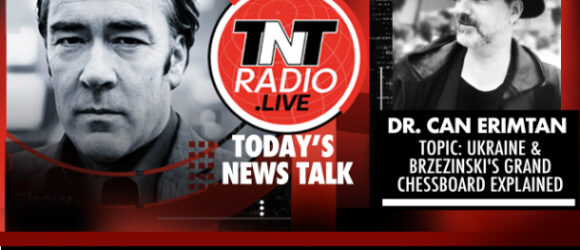
TNT Radio | The US grand strategy: weaponising Russiaphobia and ideologies to desabilize the world.
The 7 Pillars of a Global CBDC System
April 26, 2023 By Leave a Comment
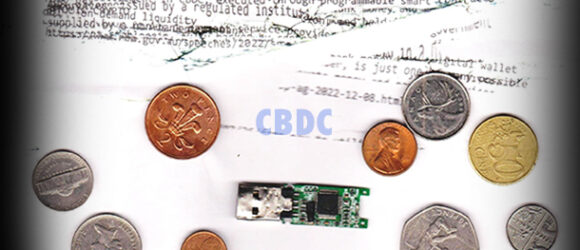
Blake Lovewell | It turns out there is much more to be wary of in the CBDC system than previously thought.
INTERVIEW: Mitch Feierstein – ‘De-Dollarization & Crash of the Ponzi Economy’
April 18, 2023 By Leave a Comment
TNT Radio | The de-dollarization trend and its significance for the fate of US dollar hegemony.
INTERVIEW: Freddie Ponton – ‘Macron’s Pivot to China’
April 15, 2023 By Leave a Comment
TNT Radio | Analysing Macron’s “European sovereignty” message and seemingly siding with China and the Taiwanese issue.
Henningsen: ‘The Great Economic Heist’ – COVID-19, De-Dollarization & The Climate Agenda
April 13, 2023 By Leave a Comment
TNT Radio | Breaking down the illusions which are forming our defunct big government policies.