


Branko Malić I Cold War paranoia in our day and age seems so soothing, almost nostalgic. But even then – nothing was what it seemed.
Why ‘President Hillary Clinton’ Would Go To War With Iran
July 17, 2015 By 1 Comment
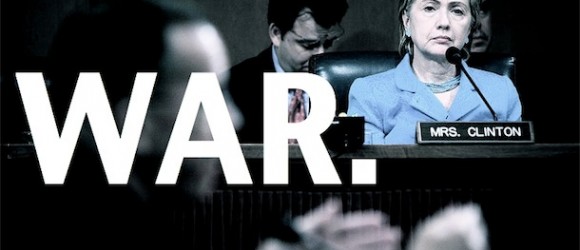
21WIRE + The Guardian | How much different would America be under President Hillary Clinton?
China Tests HYPERSONIC Nuclear Missile
June 22, 2015 By 2 Comments

21WIRE + RT | This should place war-avoidance at the top of everyone’s agenda.
Patriot Act Spying Provisions Expire: NUCLEAR 9/11 Incoming?
June 2, 2015 By 5 Comments

Stuart J. Hooper + RT | The Patriot Act’s spying has expired and the fear mongering has already begun.
Iran’s President Hassan Rouhani Responds to Netanyahu
March 4, 2015 By 38 Comments

21WIRE + Hassan Rouhani | We should probably consider ourselves lucky that Iran currently has a moderate in charge.
Back Off Netanyahu: Russia to Produce Nuclear Fuel in Iran
March 4, 2015 By 40 Comments

21WIRE + Press TV | The ever deepening relationship between Iran and Russia should serve as a warning to all warmongers.
FALSE FLAG: CIA Planted Evidence on Iranian Nuclear Activities
February 25, 2015 By 4 Comments
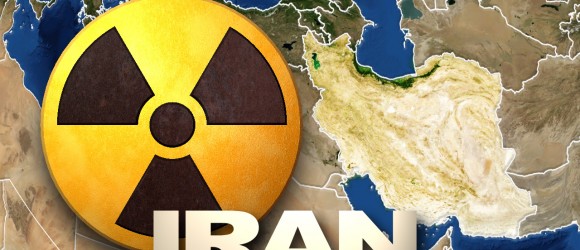
Stuart J. Hooper + RT | No, this is not a conspiracy theory. It needs to be taken extremely seriously.
Russia To Build Entire Nuclear Industry in Egypt
February 10, 2015 By 10 Comments

21WIRE + RT | The West has been floundering trying to ‘isolate’ the Russians, but their dealings with other developing countries just keep growing.
Free Rev. Pinkney; Austerity; ISIS work for West; Jihadists with Nukes
November 27, 2014 By Leave a Comment

Stuart J. Hooper | Tune in to learn about the plight of Reverend Edward Pinkney, facing jail time for daring to attempt to recall a corrupt Mayor in Benton Harbor, Michigan.
CRF Mafia’s IAEA Provide Latest WMD Talking Point for Washington and Tel Aviv Hawks
December 7, 2012 By 663 Comments
Joby Warrick | In the case of Iran, the IAEA is still recycling its WMD bulls**t.
U.S. Army Building Mysterious $100 million ‘911’ Nuclear Bunker Project in Israel
November 29, 2012 By 5 Comments
By Walter Pincus The U.S. Army Corps of Engineers plans to supervise construction of a five-story underground facility for an Israel Defense Forces complex, oddly named “Site 911,” at an Israeli Air Force base near Tel Aviv. Expected to take more than two years to build, at a cost of up to $100 million, the facility is […]
Hurricane Sandy: Indian Point Nuclear Facility Forced Shut Down
October 30, 2012 By 22 Comments
Parts of two nuclear power plant were shut down late Monday and early Tuesday, while another plant – the nation’s oldest – was put on alert after waters from Superstorm Sandy rose 6 feet above sea level One unit at the Salem plant in Hancocks Bridge, N.J., near the Delaware River, was shut down Tuesday […]
WE ARE BORN INTO A SLAVE SYSTEM
October 15, 2012 By 1 Comment
You think we’re over exaggerating? Go and work it out for yourself… ….
Triple blow hits UK nuclear revival
October 5, 2012 By 1,354 Comments
Link2 | These are some of the problems with the nuclear power industry.
Gilad Atzmon tonight on 21st Century Wire TV
September 20, 2012 By 4 Comments
21st Century Wire host Patrick Henningsen visits with award-winning artist/musician and writer Gilad Atzmon, to discuss a number of significant challenges facing the geopolitical scene today, as Atzmon takes on the Isreali Lobby and raises some difficult questions, as well as some uncomfortable truths regarding Jewish identity politics politics. Episode 3 Premieres this Thursday at […]
MY BIG FAT NUCLEAR DIRTY BOMB
August 18, 2011 By 1 Comment
By Andrew McKillop 21st Century Wire August 18, 2011 Within the next 15 years as many as 100 industry standard 900 MW nuclear reactors, concentrated in the “old nuclear’ countries will have to be decommissioned, dismantled and made safe – unless the sinister farce of reactor operating lifetime extensions goes on playing. In some countries, […]
Gorilla Radio with Chris Cook, Patrick Henningsen, Janine Bandcroft July 4, 2011
July 4, 2011 By Leave a Comment
21st Century Wire July 4, 2011 This week: Patrick Henningsen is a UK-based pundit, commentator, online editor, journalist, and founder of 21st Century Wire, a news service launched during the 2009 Copenhagen Climate Change Summit. The 21st Century Wire is an attempt to, quote; “deliver content that looks squarely at power, its architecture, as well as the seeds of […]
REVEALED: French Military Air-Dropped Arms to Libya Rebels
June 30, 2011 By Leave a Comment
AFP | The drops were designed to help rebel fighters encircle Tripoli and encourage a popular revolt in the city itself.
Nuclear accident risk as flood berm bursts at Fort Calhoun Nebraska nuclear plant
June 27, 2011 By 5,466 Comments
21WIRE + CNN | A repeat of Fukushima is possible in the US, as Fort Calhoun Nuclear Plant risks siege by flooding river.